Matching the Best Sauna Type with Your Sauna Experience
The sauna experience isn’t just about numbers on a thermometer—it’s about how you want to feel during and after your session.
- Traditional saunas create an intense, enveloping heat. They rely on convection heat, warming the air first and then your body as it fights to regulate body temperature. This creates a hot, dry environment that some people love, but others may find overwhelming. The high temperatures (160–200°F) mean you’ll feel the heat immediately, and adding water to the stones can provide bursts of humidity.
- Steam saunas surround you in thick, humid heat. The steam generator creates 100% humidity, making the air feel heavier and hotter than the actual temperature (110–120°F). If you want the sensation of a steamy, spa-like environment that hydrates your skin and supports respiratory health, this may be the best fit.
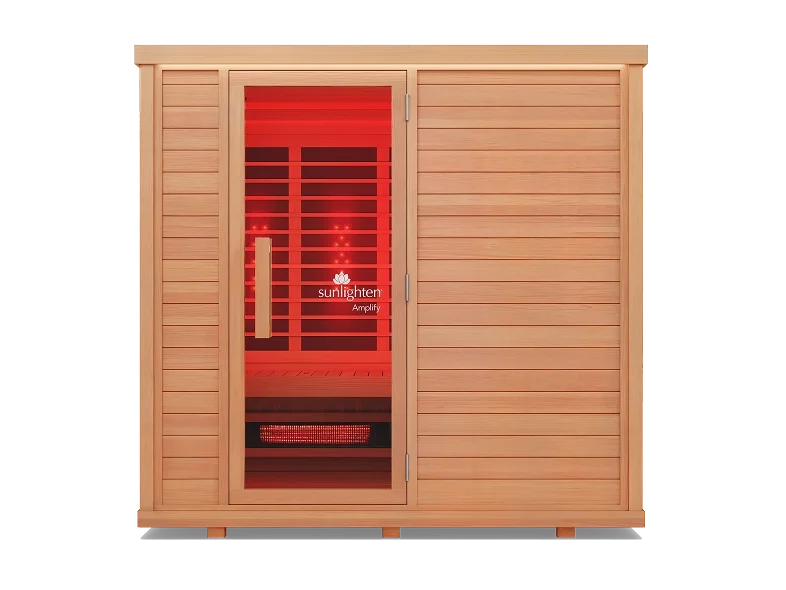
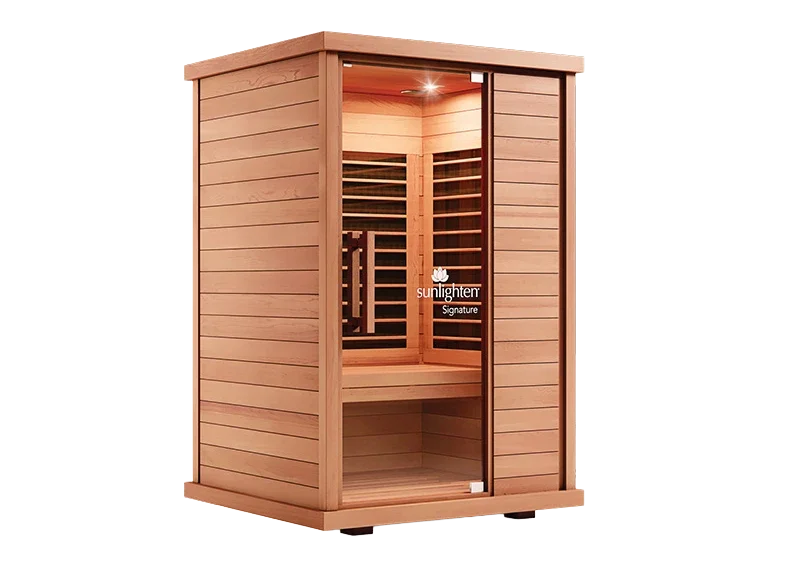
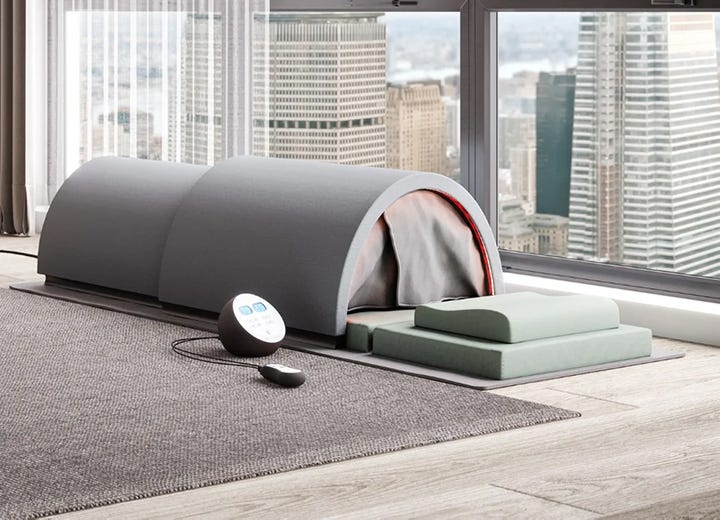
- Infrared saunas offer a gentle, deep warmth. Instead of heating the air around you, infrared sauna technology directly warms your body. This allows you to ease into relaxation at a lower temperature (100–150°F) while still experiencing an intense sweat. It feels more like basking in sunlight than sitting in a hot room, making it a great option if you prefer a more comfortable and meditative heat.
Air temperatures in saunas vary depending on the type of sauna and several environmental factors. Each person responds differently to heat—some prefer a milder warmth, while others enjoy a higher temperature experience for those desiring to push their bodies to higher levels of discomfort.
Key factors affecting the ambient temperature experience you’re looking for:
- Type of Sauna: The type of sauna determines the heat levels. Traditional saunas can reach up to 194°F (90°C), steam saunas operate at around 110–120°F, while infrared saunas heat the body more gently at 100–150°F.
- Sauna Size: Smaller saunas heat up faster and can reach higher temperatures, while larger spaces take longer to warm up.
- Surrounding Environment: Where you place your sauna also can affect the temperature range and efficiency of the sauna.
- Ventilation: Proper airflow ensures an even distribution of heat and prevents overheating.
- Humidity Levels: Steam saunas feel hotter than dry saunas due to the moisture in the air, even at lower temperatures.
It’s important to note a key sauna comparison point that impacts the best sauna type for your goals: infrared saunas do not depend on air temperature to create health benefits. And because it has a cellular energy transfer effect, the health benefits can be more broad ranging than traditional dry sauna and steam saunas because different mechanisms of action in the body’s biochemistry are involved.
Sauna Comparison: Comparing the differences
To help you determine the best sauna type for your health goals and the experience you want to have, we give you a sauna comparison below to show you the Infrared vs. traditional sauna benefits and Infrared sauna vs. steam sauna.
Infrared Sauna: Health Benefits
- Detox - Deep detoxification at the cellular level by helping release fat-soluble chemicals stored in fat tissues, removing some heavy metals, and supporting organs of elimination
- Immune Strength - Strengthens the immune system by promoting circulation, increasing core body temperature, and activating heat shock proteins (HSPs)
- Heart Health - Improves cardiovascular health by mimicking moderate exercise, enhancing blood flow, and helping blood vessels stay flexible
- Sleep - Helps improve sleep by regulating circadian rhythm and promoting relaxation through nervous system modulation and melatonin production
- Weight loss - Supports weight management efforts by mimicking moderate cardio exercise, releasing toxins, reducing inflammation, relieving stress, lowering cortisol, and increasing cellular metabolism
- Muscle Recovery - Speeds up muscle recovery and provides relief from some types of pain by reducing inflammation and enhancing circulation
- Relaxation – Helps reduce cortisol, reduce stress and facilitate relaxation through nervous system regulation
- Skin Health and Anti-aging - Purifies and renews skin through increased circulation, sweat and boosting collagen production and elasticity
- Longevity - Supports longevity and vitality by positively impacting five key markers of aging: reducing cellular senescence, improving mitochondrial function, supporting stem cell regeneration, promoting gut microbiome balance, and decreasing chronic inflammation
Infrared Sauna: Best Use Cases
- Deep detox seekers
- Muscle or joint pain sufferers
- Wellness enthusiasts
- Lower heat tolerance or preference
- Enjoyable experience
- Beneficial warm-up time as infrared wavelengths actively heat the air and are absorbed by the body from the moment the sauna is turned on
Infrared Sauna: Drawbacks
- Less humidity compared to steam saunas
- Possible longer preheat time
- Larger models required electrical
Steam Sauna: Health Benefits
- Respiratory health improvement
- Skin hydration
- Muscle relaxation
- Detoxification
Steam Sauna: Best Use Cases
- High-humidity lovers
- Spa enthusiasts
- Individuals with respiratory conditions
Steam Sauna: Drawbacks
- High humidity may feel overwhelming
- Requires plumbing and drainage
- Potential for mold growth
- Doesn’t provide cellular-level energy transfer
Traditional Dry Sauna: Health Benefits
- Enhanced circulation
- Deep muscle relaxation
- Stress reduction
- Classic sauna experience
Traditional Dry Sauna: Best Use Cases
- High-heat lovers
- Traditional sauna seekers
- Outdoor sauna preference
Traditional Dry Sauna: Drawbacks
- Can be too hot for some
- Requires more space
- Doesn’t provide cellular-level energy transfer
Side-by-Side Sauna Comparison: Infrared vs. Steam vs. Traditional Saunas

Speak with a Sauna Expert: Personalized Guidance for Informed Decisions
Choosing the right sauna is more than just picking a model—it’s about understanding how different experiences impact your body and finding the best sauna type that aligns with your health goals. With so many options, materials, wavelengths, and heating mechanisms, it’s natural to have questions.
That’s why Sunlighten invests in a team of highly trained Sauna Consultants who specialize in infrared sauna technology, sauna comparison, and wellness benefits. Whether you’re diving into the research, comparing features, or seeking clarity on how different saunas affect detoxification, circulation, or relaxation, our experts are here to provide:
- In-depth infrared expertise – Understand the science behind infrared sauna technology and how its light and heat interact with the body
- Tailored recommendations – Align your sauna health benefit and wellness goals with the right sauna type
- Sauna comparison guidance – Side-by-side breakdown of infrared sauna vs. steam sauna vs. traditional sauna
- Home sauna space & installation guidance – Ensure your sauna fits seamlessly into your home or wellness space, provide technical and electrical support and navigate the setup process with ease
- Exclusive insights – Because our Sauna Consultants work with thousands of infrared sauna users, you’ll have access to their knowledge base of customer experiences, case studies, and clinical research findings
We know that making an investment in a sauna means making an investment in your health. Let’s make sure you choose the one that truly supports your long-term wellness journey.